
Sherlock Holmes Screen Spotlight: Billy Wilder’s ‘The Private Life of Sherlock Holmes’
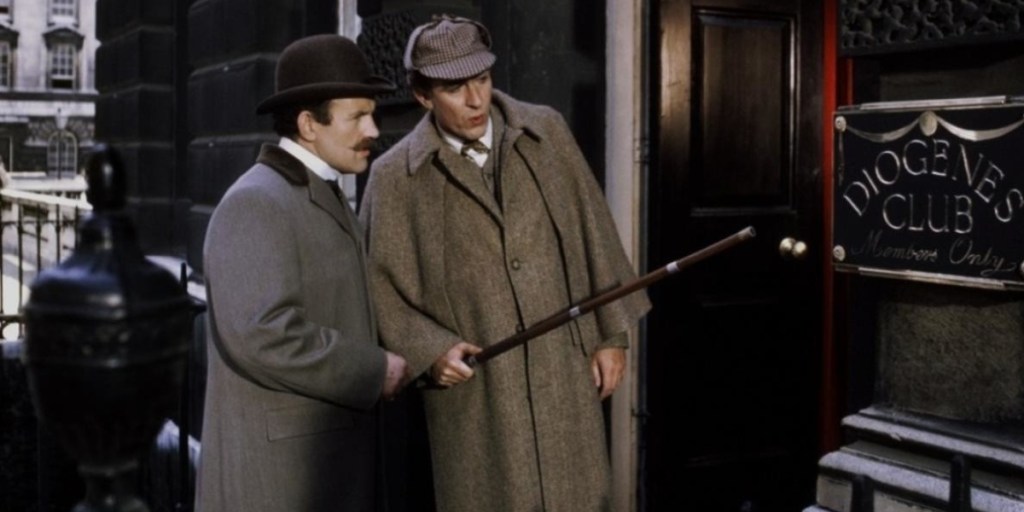
Late in his career, director Billy Wilder offered a witty, empathetic take on Arthur Conan Doyle’s genius consulting detective in ‘The Private Life of Sherlock Holmes.’
Sherlock Holmes isn’t accustomed to failure, which presumably is why the written record of the central case in director Billy Wilder’s 1970 film The Private Life of Sherlock Holmes has been kept in a locked box, not to be opened until 50 years after the death of Holmes’ longtime associate Dr. John Watson. Wilder, the legendary filmmaker behind classics like Sunset Boulevard, Double Indemnity and Some Like It Hot, was a longtime Holmes aficionado, and he delves into the psychology of Arthur Conan Doyle’s renowned detective with his signature sophisticated wit.
Private Life isn’t entirely a comedy, but it playfully engages with the conventional wisdom about Holmes (Robert Stephens), contrasting the man himself with the larger-than-life version portrayed in the stories that Watson (Colin Blakely) publishes about their adventures. While some creators have used this contrast as an opportunity to take Conan Doyle’s character down a peg, Wilder and co-writer I.A.L. Diamond make Holmes a more flawed, human character without denigrating his intellect.
Set in 1887, Private Life begins with an extended comedic set piece, as Holmes and Watson are invited to attend a performance by a revered Russian ballerina who is coming to the end of her career. While a drunk Watson carouses with attractive young female ballet dancers, the haughty diva demands that Holmes become the father of her child (after having rejected potential candidates including Friedrich Nietzsche and Pyotr Ilyich Tchaikovsky), and the only way that Holmes can get out of the arrangement is by implying that he and Watson are a gay couple.
Wilder continues to toy with the implication that Holmes and Watson could be more than friends, and while he never makes it explicit, Private Life is still a fairly risqué portrayal of such an iconic character for the time period. It takes more than half an hour for the movie to get to the actual mystery, as a strange Belgian woman (Geneviève Page) is deposited on Holmes and Watson’s doorstep, with apparently no memory of who she is or how she got there.
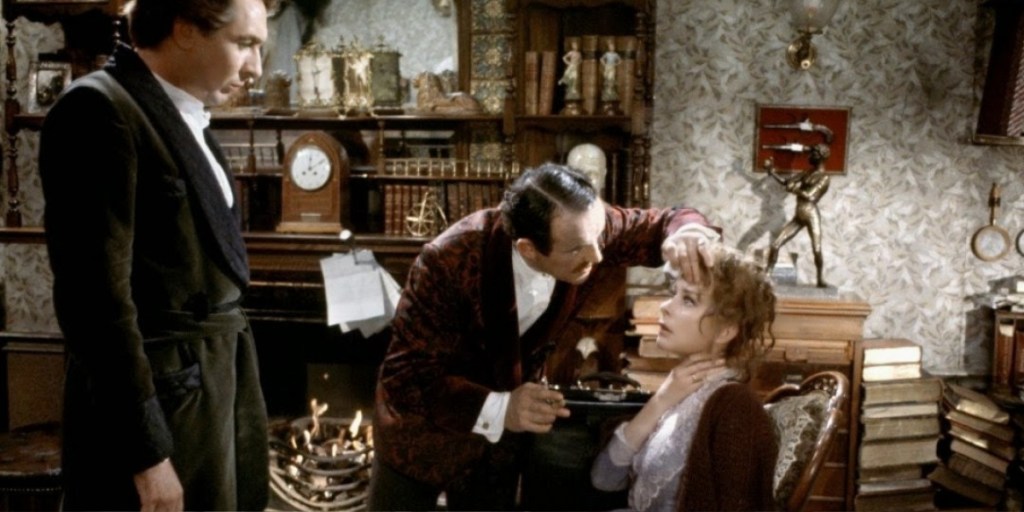
While she eventually regains part of her memory and enlists Holmes and Watson to find her missing husband, the entire case turns into an elaborate shaggy-dog story, with Holmes’ brother Mycroft (Christopher Lee) always one step ahead of the main characters. Here, Mycroft’s exclusive social institution the Diogenes Club turns out to be a front for a clandestine operation overseeing British national security, and his mission takes precedence over Holmes’ detective work.
Throughout the movie, both Holmes and Watson make vague references to their personal intimacy, even while Watson is clearly a ladies’ man and Holmes is at least partially bamboozled by their female client thanks to her alluring presence. There’s no reason that the pair can’t be attracted to both women and each other, and that potential sexual fluidity was an influence on the creators of the Sherlock TV series starring Benedict Cumberbatch decades later.
Wilder is sensitive to more than just the romantic potential between Holmes and Watson. He portrays Holmes’ cocaine habit with straightforward understanding, neither sensationalizing it nor downplaying it. There’s genuine affection and camaraderie between Holmes and Watson, even as Holmes can be his typically arrogant self and Watson can be overly anxious about his friend’s well-being. Stephens and Blakely have a relaxed chemistry, and the dynamic between the two characters is more balanced than in some other Holmes adaptations, while retaining the familiar push and pull.
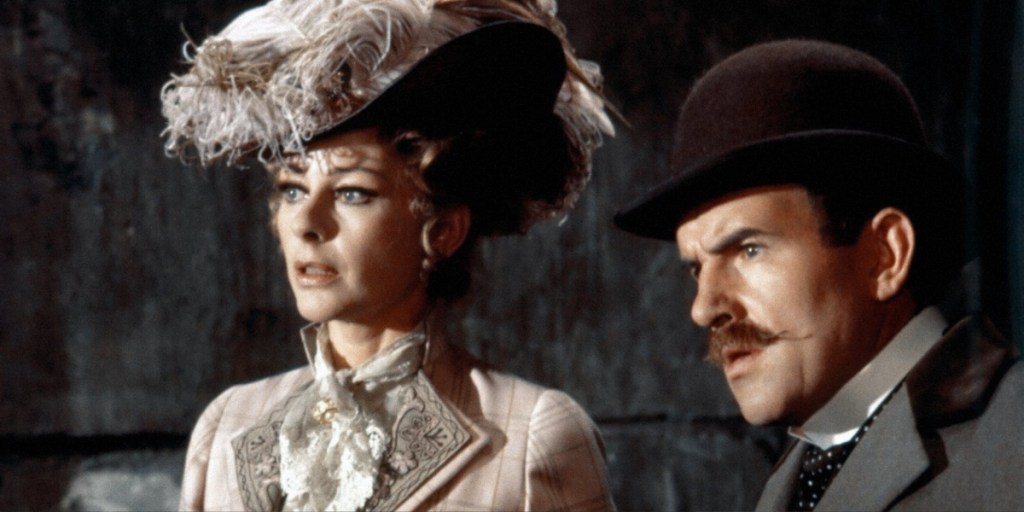
The case itself is somewhat less compelling, although it’s full of amusing twists, including a possible encounter with the Loch Ness monster. Lee makes Mycroft into a confident, debonair spy, giving him a commanding presence that is missed when he isn’t onscreen, and suggests the possibility of his own solo adventures. It’s a slightly different approach to the character, but it also adds another dimension to Holmes, who now works mostly in his brother’s shadow.
That sets up the idea that Holmes may fail, but not in a way that destroys his sense of self or sends him spiraling into depression. As he says to their client, Watson doesn’t publish stories about his mistakes, but they’re clearly something that he can take in stride. The title of The Private Life of Sherlock Holmes promises something sordid, but it turns out simply to show a vulnerable human being beneath the literary icon.
What to Read Next


Josh Bell is a freelance writer and movie/TV critic based in Las Vegas. He has written about movies, TV, and pop culture for the Boston Globe, Vulture, Tom’s Guide, Inverse, Crooked Marquee, and more. With comedian Jason Harris, he co-hosts the podcast Awesome Movie Year.