The Evolution of the “Whodunit”
To celebrate the release of my new YA thriller, Watch Us Crack, I thought I’d take a look at the wonderful journey of the whodunit genre! All mystery lovers can relate to that irresistible question. The question that keeps us turning pages late into the night, obsessively wondering—who did it?
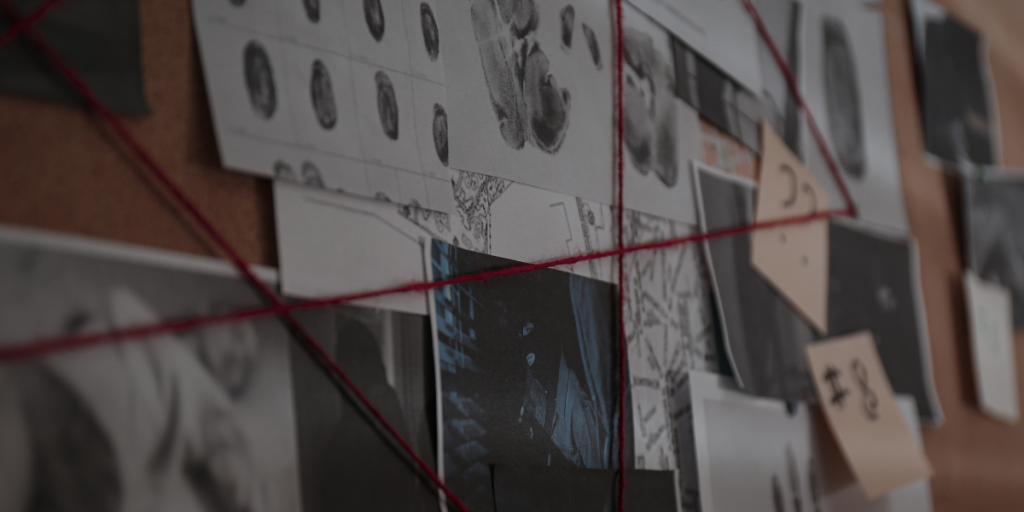
Emerging in the 1800s with the atmospheric prose of Edgar Allan Poe and the suspense of Wilkie Collins, this genre has been through many eras and faces. One period that truly defined the age of whodunits—and has certainly survived the test of time—came with Agatha Christie and Arthur Conan Doyle. Their stories transported readers to sprawling country estates and foggy London streets or glamorous cruise ships in the early 1900s. It’s easy to picture Hercule Poirot interrogating passengers on a train carriage with white linen tablecloths. Or Sherlock Holmes, magnifying glass in hand, finding the smallest detail in the ordinary. These eccentric detectives led readers through a maze of clues and red herrings with every reveal thrilling and satisfying.
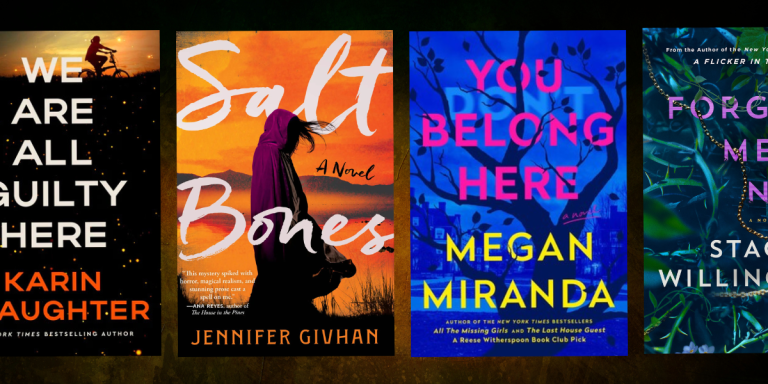
The genre is constantly evolving, reflecting the trends of the time. In recent decades, authors like Gillian Flynn and Lisa Jewell leaned into exploring the darker psychological concepts, sometimes with unreliable narrators and morally gray protagonists. But, of course, there’s always room for the cosy mysteries set in charming contemporary towns with quirky characters and nods to Agatha Christie.
In young adult fiction, one of the most fun shifts I’ve seen has been the rise of multimedia storytelling. Police transcripts, audio recordings, text messages, and social media clips pull readers into the mystery in new interactive ways.
This is a format I’ve embraced in my own YA thrillers, especially Watch Us Crack. The story follows Sadie, a true-crime enthusiast, and her childhood friend Cason as they reconnect in their teens—only to become suspects when a body is discovered at the local train station. The narrative unfolds through shifting perspectives and is interspersed with interview transcripts and text chains, letting the evidence drip-feed directly to the reader. As Sadie and Cason race to clear their names, their closest allies begin to turn against them. Even their bond starts to splinter under suspicion. Fierce hockey rivalries, buried grudges, twists, secrets, and betrayals all collide in a story where trust and truth are fragile.
So, here we are—two centuries in—and the whodunits are alive, shapeshifting, and always adapting to the tools of the time. From a cigar in the drawing room of a country manor house to a text message on a cracked phone screen, this genre keeps reinventing itself and is thriving. The detectives are raw, messy, and brilliant, and they’re following the story just like the rest of us. In an ever-changing world, I’m sure these books will keep us turning pages and guessing for many years to come. Cheers to your next read!
Huge thanks to Novel Suspects for this guest post, and if you decide to check out Watch Us Crack, I’d love to hear your thoughts!